Hurricane Windows vs Impact Windows: What Is the Difference?
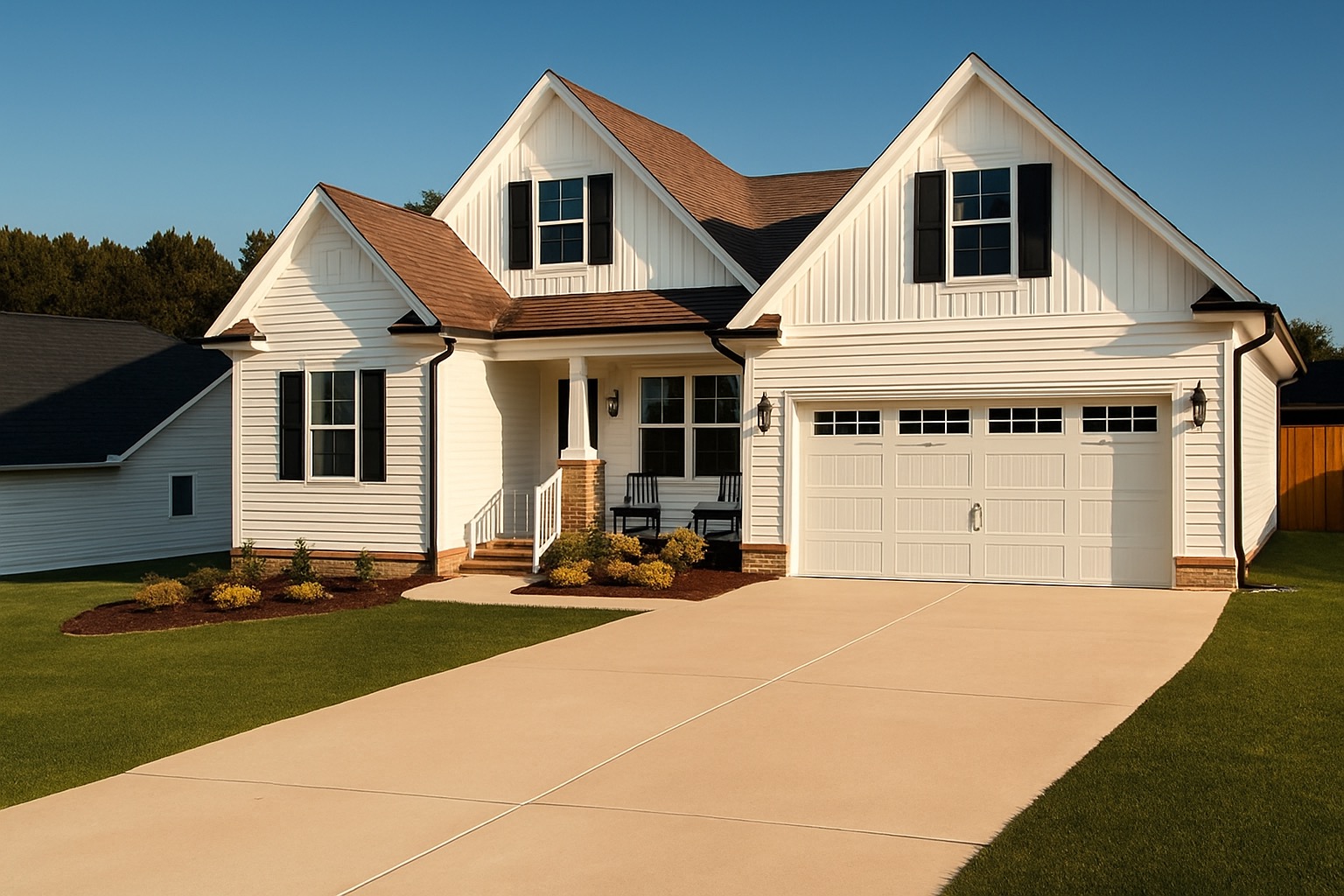
Hurricane impact windows on an Orlando, FL home exterior
Impact Window Guides

Hurricane Windows vs Impact Windows: What's The Difference

Updated July 2026 · American Impact Windows & Doors Orlando

Hurricane windows and impact windows are the same product — there is no difference. Both terms describe windows built with laminated, impact-resistant glass and reinforced frames that are tested to Florida standards for wind pressure and flying debris, and the two names are used interchangeably by manufacturers, contractors, and building departments alike. If you've been comparing "hurricane windows vs impact windows" and wondering which one to buy, you can stop: you're looking at one product with two names. You may also see "impact-resistant windows," "storm-rated windows," or "hurricane-proof windows" — marketing language aside, they all point to the same category of window.

Key Takeaways

  • Hurricane windows and impact windows are the same product — laminated glass, reinforced frame, tested to Florida standards.
  • They are not bulletproof, not "storm windows," and not shutters — each of those is a different product.
  • Verify protection by paperwork: the etched glass label, the Florida Product Approval or Miami-Dade NOA number, and the permit.
  • Compare quotes on ratings, glass specs and installation quality — never on the name.

Why One Product Has Two Names

Impact Windows Hurricane Windows Impact-Resistant Windows Windborne Debris Protection

The terminology is a product of geography and history. After Hurricane Andrew devastated South Florida in 1992, Miami-Dade County created the toughest window and door testing standards in the country. The products engineered to pass those tests were called "impact windows" in the code and testing world, because the defining test involves an actual impact — a piece of lumber fired at the glass from an air cannon. Homeowners, on the other hand, shopped for protection from a specific threat, so salespeople and advertisers leaned on "hurricane windows." Insurers added a third label, "windborne debris protection," on wind-mitigation forms.

Three decades later, all of those labels have converged on one category of product. When an Orlando contractor quotes you "hurricane windows" and another quotes "impact windows," they are bidding on the same thing — and you should compare those quotes on ratings, installation quality, and price, not on the name.

What The Product Actually Is
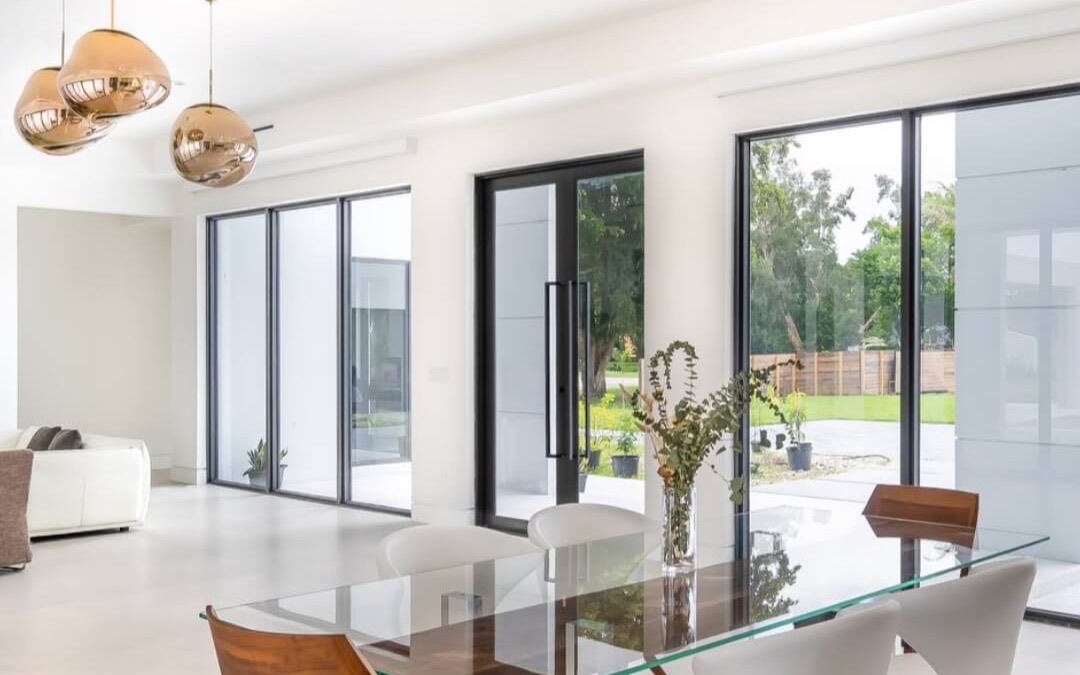
Laminated hurricane impact window glass seen from inside an Orlando, FL home
Laminated impact glass looks like ordinary glass from inside — the protection is in the interlayer and the frame.

An impact (hurricane) window is a system, not just a pane of glass. Three parts do the work together:

  • Laminated glass. Two sheets of glass are permanently bonded to a tough polymer interlayer — usually PVB (polyvinyl butyral) or SGP (SentryGlas Plus). When debris strikes, the glass may crack, but the shards stay glued to the interlayer instead of falling out of the opening.
  • A reinforced frame. The frame — aluminum or reinforced vinyl — is engineered to hold that cracked-but-intact glass in place under hurricane wind loads, so the building envelope stays sealed.
  • An anchored, permitted installation. The window is only as strong as its connection to the wall. Florida code specifies the fasteners, spacing, and sealing, which is why impact window installation in Orlando requires a permit and inspection.

That last point matters more than most buyers realize: keeping the glass in the frame is the whole game. If a window fails during a hurricane, wind enters the home, pressurizes it from the inside, and can lift the roof. Impact windows are designed to crack without ever opening a hole. Many also use insulated low-E laminated glass, which is why hurricane impact windows cut cooling bills and outside noise year-round in addition to storm protection — our energy-efficient impact windows page explains how those glass packages work in Orlando's heat.

How Impact Windows Are Tested

What separates a true impact window from ordinary glass is documented testing. In Florida, the standards you'll see on product paperwork are:

  • ASTM E1886 / E1996. The national large-missile test: a 9-pound 2x4 is fired at the window at roughly 34 mph, then the window endures 9,000 cycles of positive and negative pressure that simulate hurricane gusts. The glass may crack; it cannot be penetrated or blown out.
  • TAS 201, 202, and 203 (Miami-Dade). The stricter High-Velocity Hurricane Zone protocols covering impact, structural pressure, and cyclic pressure. Products that pass earn a Miami-Dade Notice of Acceptance (NOA) — the most demanding approval in the industry.
  • Design pressure (DP) ratings. Every window is rated for the positive and negative pressure it can withstand, listed on its approval documents. Your installer matches each opening's required design pressure — which depends on wind speed maps, home height, and the opening's location on the wall — to a product rated at or above it.

Orlando is not inside the High-Velocity Hurricane Zone, so Miami-Dade NOA products are not mandatory here — but windows carrying an NOA or a Florida Product Approval meet or exceed what Central Florida code requires, and reputable installers use them as a matter of course.
One Product, Verified Ratings
Free in-home measure with approval numbers in writing — licensed Orlando crew, $0 down available.
Get My Free Quote → 📞 Call (689) 219-5507

What Impact Windows Are NOT

Impact / Hurricane Windows Storm Windows Hurricane Shutters
Tested toASTM E1886/E1996 or Miami-Dade TAS 201–203Not impact-testedPanel tested; glass behind stays ordinary
Design pressure ratingYes — DP rated per opening on the approval documentsNoneRated as a barrier, not as glazing
Meets FL windborne-debris codeYes — permanent opening protectionNoCan satisfy code when deployed
24/7 protectionAlways on — nothing to deployNo storm protection at allOnly when someone puts them up before the storm

They Are Not Bulletproof

This one deserves an honest answer, because plenty of ads blur the line. Impact windows are not bulletproof, and no reputable installer should tell you otherwise. Ballistic-rated glass is a different product tested to a different standard — UL 752 — which classifies glazing by the specific ammunition it must stop, and it is dramatically thicker and more expensive than residential laminated glass. An impact window's laminated interlayer will slow a bullet and keep the glass from shattering out of the frame, which is a real security benefit against break-ins, but it is not designed or rated to stop a round. If you need ballistic protection, you need UL 752 glazing — a separate purchase from hurricane protection.

They Are Not Storm Windows

"Storm windows" sound similar but are a much older, cheaper product: a secondary pane or panel mounted over an existing window, mainly for insulation and draft control in northern climates. Storm windows are not impact-tested, do not carry design-pressure ratings, and do not satisfy Florida's windborne-debris protection requirements. If a bargain quote mentions "storm panels" or "storm windows," you are not being quoted hurricane protection.

They Are Not Shutters

Hurricane shutters protect ordinary glass with a barrier you deploy before each storm. They can satisfy code, but they do nothing for energy, noise, security, or natural light, and they only work if someone is home to put them up. Impact windows protect passively, 24/7, with no ladders and no lead time.

How To Verify A Window Is Truly Impact-Rated

Because the terms get thrown around loosely, verify the product — not the sales pitch. Here's how:

  1. Look for the permanent label. Genuine impact glass carries an etched or printed mark in a corner of the pane listing the manufacturer, the applicable standards (ASTM E1886/E1996 or TAS 201-203), and often the words "impact resistant."
  2. Ask for the approval number. Every legitimate product has a Florida Product Approval (an "FL number" you can look up on the state's Building Code Information System) or a Miami-Dade NOA number searchable on the county's site. If your contractor can't produce one, walk away.
  3. Check the design pressure on the paperwork. The approval documents state the DP rating and the tested installation method. Your permit drawings should match.
  4. Confirm the permit. A code-compliant impact window install in the Orlando area is permitted and inspected. The inspection record is your proof for insurance wind-mitigation credits later.

Replacing older windows? If your home still has original builder-grade glass, our impact window replacement process handles the measure, permits, tested installation, and final inspection end to end — and the documentation your insurer will ask for.

Buying Checklist: Compare Quotes The Smart Way

Since "hurricane" and "impact" describe the same product, use this checklist to compare offers on substance:

  • Florida Product Approval or Miami-Dade NOA number provided in writing for the exact model quoted
  • Design pressure ratings matched to each opening, not one generic rating for the whole house
  • Laminated glass spec stated (PVB or SGP interlayer; insulated low-E if you want energy savings)
  • Permit and inspection included in the contract price
  • Licensed contractor with a verifiable Florida license number
  • Line-item pricing per opening — see our guide to impact window costs in Orlando for what drives the numbers
  • Wind-mitigation documentation provided after install for your insurance discount

Whatever a company calls the product, the paperwork tells the truth. If the ratings, approval numbers, and permit are in order, you're buying real hurricane protection — under either name. At American Impact Windows & Doors Orlando, that paperwork — approval numbers, permits, and wind-mitigation documentation — comes standard with every quote.

Questions, Answered

Hurricane vs Impact Window FAQs

Yes. "Hurricane windows" and "impact windows" are two names for the same product: laminated impact-resistant glass bonded to a polymer interlayer, set in a reinforced frame, and tested to Florida standards for wind pressure and flying debris. The testing world says "impact"; advertising leans on "hurricane." When you compare quotes, ignore the label and compare the approval numbers, design pressure ratings, and installation details — that's where real differences between products show up.

No. Impact windows are not bulletproof, and any ad implying they are is misleading. Ballistic glass is a separate product tested to UL 752, a standard that rates glazing by the specific ammunition it must stop, and it is far thicker and more expensive than residential laminated glass. An impact window's interlayer will slow a bullet and keep the pane from shattering out of the frame — a genuine security benefit against forced entry — but it is not rated to stop a round.

Orlando sits outside Florida's High-Velocity Hurricane Zone, so Miami-Dade NOA products are not legally required here. What is required is a window whose design pressure rating meets the Florida Building Code wind-load calculation for each specific opening — which depends on local wind-speed maps, your home's height, and where the opening sits on the wall. Products with a Florida Product Approval or Miami-Dade NOA meet or exceed Central Florida requirements, and your permit documents should show the match.

Storm windows are secondary panes or panels mounted over existing windows, designed mainly for insulation and drafts in northern climates. They are not impact-tested, carry no design-pressure ratings, and do not satisfy Florida's windborne-debris protection requirements. Impact windows are complete engineered units — laminated glass, reinforced frame, and anchored installation — tested to ASTM E1886/E1996 or Miami-Dade TAS standards. If a quote offers "storm windows" for hurricane protection, it is not quoting the right product.

Check the glass corner for a permanent etched label listing the manufacturer and testing standards (ASTM E1886/E1996 or TAS 201-203). Then ask for the Florida Product Approval "FL number" or Miami-Dade NOA number and look it up on the state or county database — both are public and searchable. Finally, check that the install was permitted and inspected; the inspection record doubles as documentation for your wind-mitigation insurance credit. No label, no approval number, no permit means no verified protection.

Protect · Save · Upgrade

Ready For Real Hurricane Protection?

Get a free in-home measure and a line-item quote on code-rated impact windows — from a licensed Orlando specialist, with $0-down financing for qualified buyers.

Get My Free Quote → 📞 Call (689) 219-5507
📞 Call (689) 219-5507